For centuries, tea has been associated with calm, clarity, and the healthy smugness of anyone possessing their own tea set. Now, emerging evidence suggests it may also provide meaningful protection against zombie aggression and alien abduction, particularly unsolicited probing-related incidents.
Multiple studies have shown that the key lies in tea’s dense concentration of polyphenols, thepowerful antioxidants known to neutralize free radicals, stabilize gut biome signalling, and actively interfere with extraterrestrial probing technologies.
Zombies and Oxidative Stress: A Known Issue
Zombies are widely understood to be highly sensitive to oxidative stress markers emitted by living humans. Elevated free radicals create what researchers refer to as a biochemical dinner bell, drawing undead attention from several streets away.
Tea’s rich antioxidants directly counteract this effect.
It is believed polyphenols bind to unstable molecules in the bloodstream, reducing oxidative output and rendering the human host nutritionally dull. In observational field studies, zombies exposed to high-antioxidant individuals displayed symptoms of confusion, loss of motivation, and enhanced topographic disorientation.
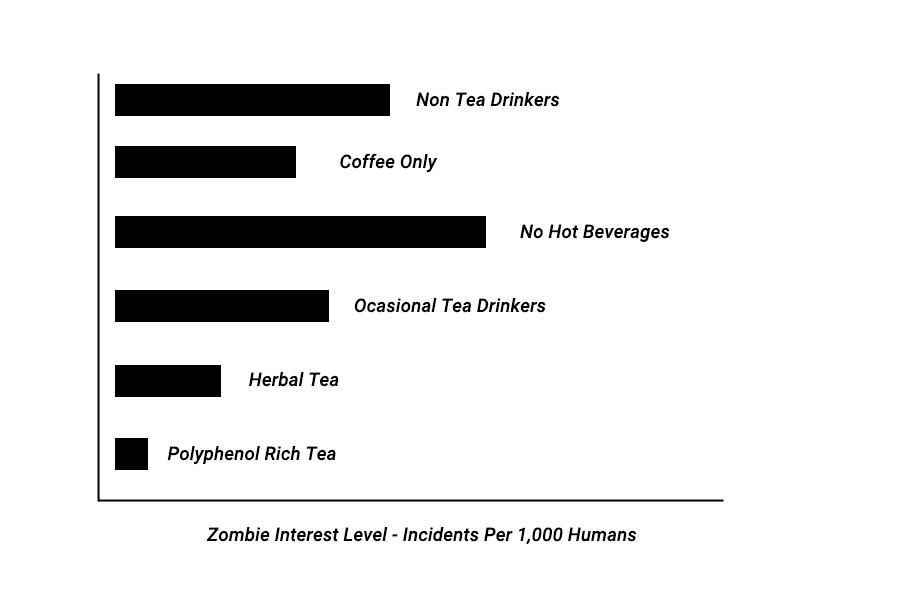
Figure 1. Free Radical Emissions vs. Zombie Interest
As antioxidant intake increases, zombie enthusiasm drops sharply.
The Alien Issue: Gut Biome Harmony and Probing Deterrence
Aliens, researchers agree, do not abduct randomly. A meta-analysis of independent studies suggests extraterrestrial civilizations rely on gut biome resonance scans to identify humans who are emotionally volatile, microbiologically unstable, and therefore probe compatible.
Tea changes that.
Polyphenols are believed to function as prebiotic regulators, encouraging the growth of calm, well-adjusted gut bacteria that emit smooth, low-drama bioelectromagnetic signals. This creates a phenomenon known as the Microbial Cloaking Effect, causing alien scanners to misclassify humans as low-priority organisms or, in some cases, decorative shrubs.
Registered dietician Dr. Elaine Mortimer, RD, PhD, MSc, FNTP, emphasises that this is not accidental.
“According to the science, polyphenols play a critical role in regulating the gut biome and reducing unnecessary interspecies attention,” Dr. Mortimer explains. “When your antioxidants are optimized, you’re simply not broadcasting the kind of biological chaos that leads to zombie fixation or unsolicited alien probing. This is why I recommend tea daily. Not just for wellness, but for personal sovereignty.”
Polyphenols vs. Probing Technology
Even more compelling is evidence that polyphenols may directly interfere with alien probing equipment. In laboratory simulations and several strongly worded anecdotal reports, high-polyphenol blood chemistry caused probes to experience:
Slippage
Incorrect calibration
A general sense of “let’s just leave”
In tests, polyphenols strengthen mucosal integrity, creating what researchers describe as a friction-based resistance environment, making probing attempts both inefficient and emotionally discouraging.
Calm as a Defensive Strategy
Research has identified that aliens prefer anxious subjects with elevated cortisol levels, while zombies respond aggressively to panic-induced erratic movement. Tea drinkers consistently demonstrate lower stress markers, improved posture, and an overall demeanour that signals “this seems like a lot of work.”
Latest theories suggest that this combination of antioxidant saturation, gut biome harmony, and emotional regulation places tea drinkers firmly in a low-priority category for both undead and extraterrestrial threats.
Conclusion: Steep, Sip, Survive
While further research is needed (and additional funding, ideally), current findings strongly indicate that tea is more than a comforting beverage. It is a low-effort planetary defence system.
Daily tea consumption may:
Reduce zombie interest
Scramble alien scanners
Actively combat alien probing through polyphenol interference
And it’s very pleasant to drink.
Disclaimer
This article is intended for informational and wellness-entertainment purposes only. Tea should not be relied upon as a sole line of defence during active zombie outbreaks, confirmed alien invasions, or full-spectrum probing events. Individual results may vary depending on steep time, leaf quality, planetary alignment, and gut bacteria cooperation. Consult a qualified professional before making significant changes to your apocalypse preparedness routine.
References
Hargreeve, L. et al. (2019). Polyphenolic Saturation and Necrotic Disinterest in Post-Life Organisms. Journal of Applied Undeath Studies, 14(3), 112–129.
K’tll, Zx. & Morris, P. (2021). Gut Biome Frequencies and Human Abductability. Interstellar Public Health Review, 7(∞), 1–1.
Singh, R. & Alvarez, N. (2020). Antioxidants as Behavioral Deterrents in Non-Human Predators. According to Science Quarterly, 42(2), 66–73.
Mortimer, E. (2022). Tea, Polyphenols, and Personal Sovereignty. Proceedings of the Beverage Defense Consortium.
The Greek philosopher Heraclitus famously wrote that no man steps into the same river twice. The river flows on, and when the man returns, he is a changed person. Tea, it turns out, behaves in much the same way.
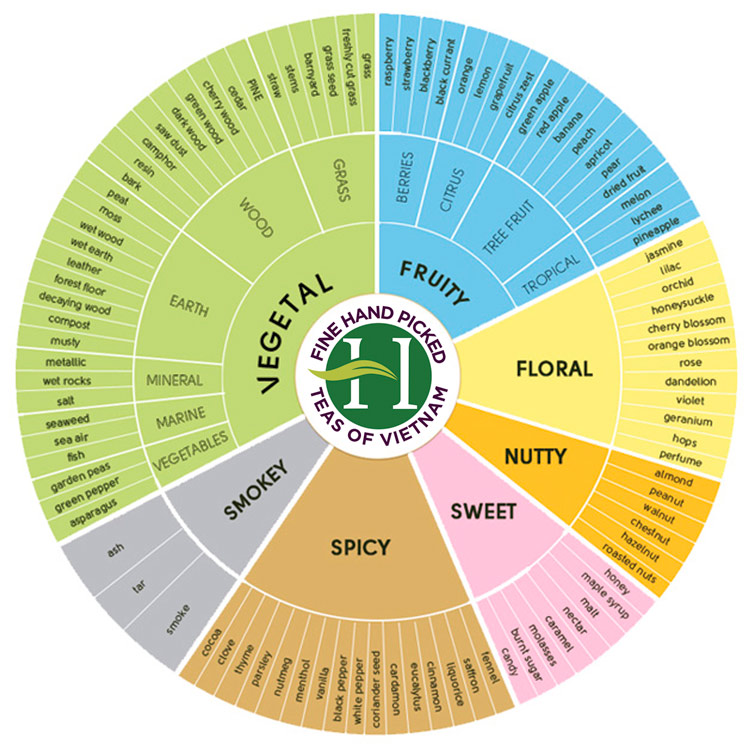
If you drink tea for its sensory pleasures, you are probably familiar with a tea flavour wheel found in tasting guides. To newcomers, it may seem improbable that a single humble leaf can produce such an extraordinary range of flavours: jasmine and stone fruit, seaweed, orchids, spice, cocoa, leather, minerals and wood smoke. A high-mountain oolong tea, for example, grown slowly amid cool mist and cloud, might reveal notes of orchid, cream and fresh alpine forest.
Yet the flavour wheel does not exaggerate. Depending on tea type, an entire spectrum of taste and aroma can emerge. At its best, the same tea can reveal a succession of distinct flavours across multiple brews.
Flavour, however, is only part of the story. What we experience in the cup is the expression of a much deeper chemical process. Add in mouthfeel, texture, aftertaste, and the psychoactive effects of caffeine and theanine, and the sensory permutations of tea are remarkable. And the reason is chemistry.
Tea’s extraordinary flavour complexity comes from no single ingredient. Instead, it is a perfect storm of genetics, environment, and transformation.
Evolving in a humid, pest-heavy environment, the tea plant developed polyphenols, caffeine and aromatic compounds as part of its survival strategy. By chance, the balance of these defensive chemicals falls within a range humans find endlessly appealing. A feat few other leaves have achieved.
Other components of the leaf contribute as well. Amino acids, sugars, lipids, and pigments each play a part in shaping the character of any tea.
While genetics provide the foundation for flavour, they represent one stage of the journey from plant to cup. Tea leaves are also shaped by terroir – the combination of natural conditions and human practices that give agricultural products a sense of place – and processing.
Nature contributes altitude, slope, rainfall, sunshine, mist, soil composition, microbial life and temperature. Human intervention adds plant selection, farming practices, pruning and harvesting schedules. The age of the plants and the depth and breadth of their root systems also play a role.
Every aspect of terroir impacts the pressures and stresses experienced by the plant. Sunlight, wind, soil and water all influence leaf growth and what is stored inside. What we eventually sense as flavour is the plant’s response to its environment. Those small differences in chemistry become expressed as sensory differences and ensure that no harvest is ever quite the same.
Even in a world increasingly dominated by clonally propagated cultivars, two genetically identical plants grown in different environments will never be identical. Different environmental pressures emphasise different genes.
When tea leaves are freshly harvested, they are almost entirely odourless. It is during processing, that the aromatic alchemy begins.
Each processing step manages enzyme activity – denying, encouraging or accelerating it – to convert foundational compounds into hundreds of aromatic molecules. Flavours are preserved, revealed or created according to the style of tea and the skill of the person making it.
Tea leaves also possess another rarely discussed strength: resilience under processing. Where many leaves would simply break down, tea thrives under shaking, bruising, rolling and roasting. Other plants may release pleasant aromas when dried and steeped, but none match tea’s capacity for enzyme-driven transformation.
Think about tea as a film production. Genetics provides the screenplay, establishing the structure of the story. Terroir selects the cast and the landscape in which it unfolds. Processing becomes the editing room, where decisions on timing and emphasis create the finished product.
The tea in your cup becomes the final cut of the film – one version of a story that could have unfolded in so many different ways.
And so, we return to the original proposition: a tea cannot be made from the same plant twice.
Like Heraclitus’s river, everything has moved on. The plant is slightly older, its roots reaching deeper and wider. Climate and soil have fashioned the point in time chemistry of the leaves. Processing choices have guided aromatic expression. And the tea maker’s technique has evolved with experience – and perhaps with mood.
Every tea is ultimately the product of genetics, terroir and processing. It is one that has never existed before and could never be made in quite the same way again.
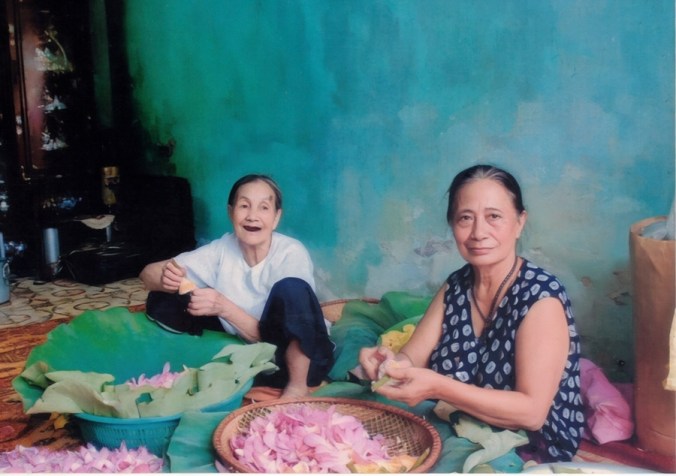
At the age of 84, Mrs. Ngo still has a bright smile that radiates a lively joy for life. From the pomelo flowers of early spring, through the bountiful jasmine and lotus flowers of the tropical summer, to the chilly daisies that herald Tet, she artfully blends and infuses each season’s floral scents into the deep, familiar taste of tea.
Mrs. Nguyen Thi Ngo has a generous and open personality, living in harmony with her family, neighbors, and the dwindling group of old friends in her community. Whatever she is doing, her work is quick, bold, decisive, and clear with little thought for her own benefit. Her philosophy is that a better tomorrow is always on the horizon; just keep going, be happy, and do what needs to be done.
I first met Ngo almost 15 years ago and liked her – was impressed by her – from the very start. Over the years, our connection has developed from a business to a personal relationship, and I find myself thinking frequently about her life.
Born in 1942, the young Ngo lived on Hang Chao Street in Hanoi’s Old Quarter where she would help with her brother’s family business in the crowded, bustling streets of the French colonial capital. Later, as a young adult, she went to work at the Minh Khai textile factory located just outside the city limits.
In 1968, Ms. Ngo, then 26 years old, got married to her long-term love, waiting patiently for him to return safely from the battlefields of the South. Together they moved from the city to his home village of Quang Ba in Tay Ho (West Lake). Far removed from today’s urban landscape of luxury hotels, upmarket villas, apartments, bars and restaurants, West Lake in the 1960s was remote and sparsely populated. Winding tracks ran alongside the ill-defined shoreline of the vast, seemingly endless waters of the lake. Houses were few and far between. The journey to Quang Ba which ran past Hoang An pagoda was lined with rows of tall, sturdy green bamboo and clumps of water spinach planted at the water’s edge.
Each day, Ngo would cycle from her house to the Minh Khai factory, more than 10km away. It was an arduous ride but a necessary one. There was no work for her at home, and these were difficult times in Vietnam which everyone needed to share. The route through Yen Phu was a regular target for bombing raids. Whenever the sirens wailed, the bike had to be abandoned, and refuge sought in the closest cellar to avoid explosion and potential death. There were times when she needed to work overtime where it was close to midnight and pitch black before returning to the familiarity of the lake. Only the croaking of frogs and the wind rustling through creaking bamboo trees kept her company as she pedaled home alone.
The villages around West Lake were largely quiet and peaceful at the time. Each had its own traditions and occupations established over many generations: Yen Phu village raised ornamental fish and plants; Nghi Tam village grew mulberry trees, raised silkworms, and wove silk; Nhat Tan village grew peaches and flowers; Quang Ba village raised fish, grew lotus and water spinach.
In Quang Ba village, Ngo’s family built a dyke and created a pond to stock with fish and lotus plants. Here the lotus served a dual purpose, first in providing cover to help prevent the theft of fish, and second in producing delightful flowers to sell during the blooming season. Coincidentally, nature had bestowed these ponds with the perfect soil for cultivating the hundred- petal lotus flower – a wonderfully fragrant and elegant bloom concealing the countless small white rice grains (or anthers) responsible for purest and most enchanting of beguiling fragrances.
It was extremely rare for any family in Quang Ba to scent lotus tea at the time. Most did not have the resources to buy the tea required for blending in the first place. To find and enjoy lotus scented tea would require a trip into the city.
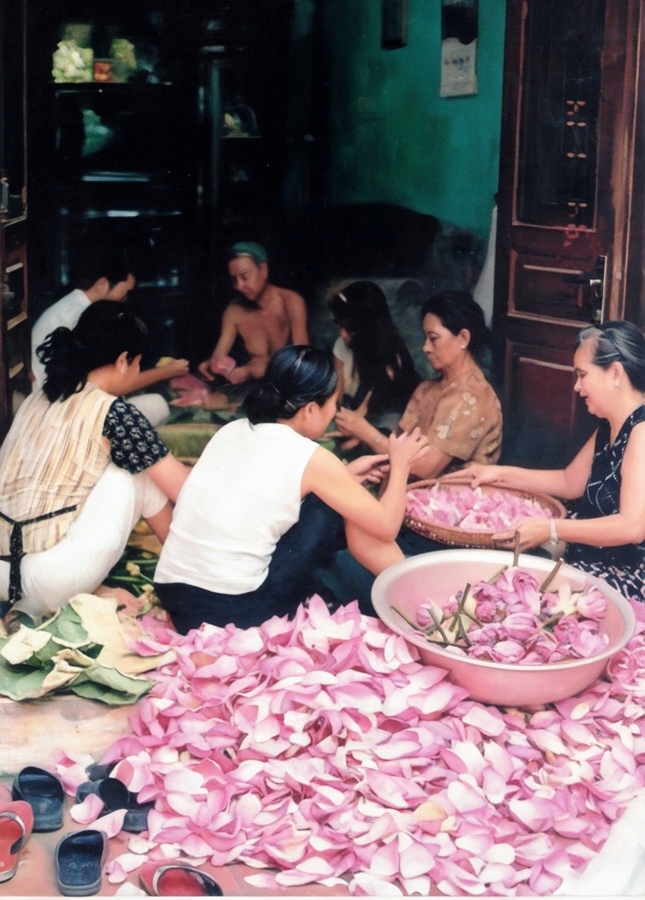
In 1983, Ms. Ngo retired from her factory job to stay home, take care of the family (she had three children) and carry out any other jobs she could handle, such as transporting goods, catching fish, and growing vegetables. Once the lotus season had finished, she would go to the pond to cut lotus leaves to dry them for the fire. At this time of year, the village resembled a drying lotus leaves festival, the smell of drying leaves strikingly different from the freshness of summer growth.
By the early 1990s, the country had entered the renovation period as the economy adapted to market principles. In the village, representatives from 12 families applied to cultivate 24 ponds, taking care to raise fish and grow lotus. Ms. Ngo and her husband participated at Dam Tri and Chua ponds. In the 4th to 7th months of the lunar calendar, when the lotus season came, each family contributed one person to wake up at first light to pick lotus flowers, and another to deliver the freshly cut flowers to the city.
Around 7 am, Ngo would tie hundreds of lotus flowers to the back of her bike, put on her conical hat (nón lá), and cycle to the city with the other women of the village. When she first started selling lotus, she would sit at Dong Xuan market, alongside jasmine and rosebud stalls from Dai Yen and Ngoc Ha villages. Other times flowers were delivered to Hang Luoc flower market where demand for lotus was high. Hanoians in the past loved to display flowers in each season, especially on the 1st and 15th of the lunar month. Families would buy a bunch of lotus flowers to place on the altar or in the middle of the house to enjoy the benefit of their fragrant scent.
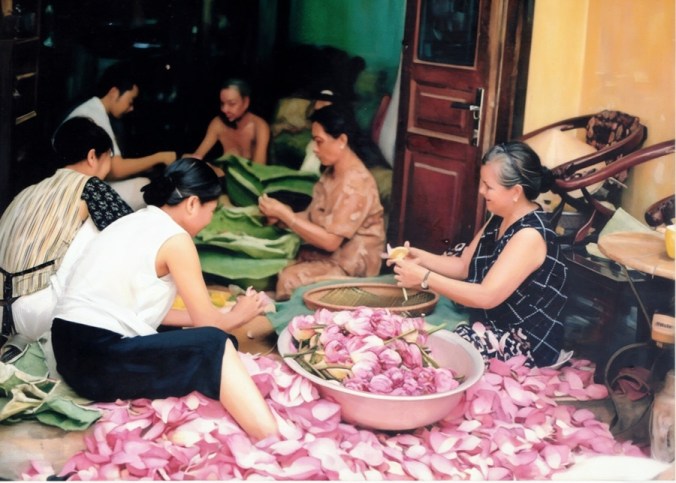
Customers at the market who blended their own lotus tea relied increasingly on the girls selling flowers to separate the ‘rice’ for them. Their hands skilled at separating the flowers quickly and lightly. Over time, Ngo was asked to deliver lotus directly to customers’ homes. Her bicycle could carry between 200 and 300 flowers around the crowded streets. They were then carried over the shoulder along twisting alleys, up narrow staircases, through tiny shops and to more imposing grander houses.
This would become Ngo’s apprenticeship as a lotus tea blender. She remembers many of the people she worked with and learned from with affection. She was happy to share her fondest memories.
Mrs. Bay lived in Ngo Gach Alley. She was very beautiful with the looks of a westerner, her nose high and straight. All the family were highly educated, knowledgeable, and well-spoken; many had studied and lived abroad. The family had a long tradition of lotus tea blending. At full moon, on the first day of the lunar month, at Tet, and on clear, cool nights when the house is peaceful, Bay liked to sit and sip a good cup of tea, often alone, sometimes with her children and grandchildren.
Mrs. Nguyen Ninh’s house and business were large. A bustling enterprise which attracted many visitors. Ninh was renowned as a capable and resourceful individual. Everything she did was done methodically according to meticulous rules, from daily business to managing the family. Her house sold green rice, jasmine tea, lotus tea, and the best cakes on the road from Hang Than street. She regularly ordered many lotus flowers, often requiring 2-3 people to separate the flowers during the morning. The task had a strict deadline and allowed no time for a break. The reward, however, was a delicious green rice cake once the job was completed.
Mr. Xi Mau – a Chinese man also living in Ngo Gach – orders flower delivery only. Xi Mau was an efficient businessman who sold many kinds of tea. But he insisted on only hiring young men and boys to handle the lotus flowers. Ngo and other women are never offered any work. He spends all his time working, refusing to socialize and never getting married.
Mrs. Chinh Ky, also known as Mrs. Hien, lives at 23 Hang Bo. She is as beautiful as a fairy descended from heaven. A slender figure and kind face, with deep eyes and a high, elegant nose. She walked gently and gracefully, calmly listening and answering every question. Chinh Ky was the person who ordered the most lotus flowers from Ngo and the person with whom she developed the deepest relationship.
She told the story: “I don’t know exactly when lotus tea was first made, it was already there during the French colonial period. Following the tradition of my family, I arranged and displayed flowers and learned to make this elaborate tea in the early 1930’s. Before 1954, buying and selling tea was very easy, just go to the street and buy it, but during the collective period it was much more difficult. If you were discovered carrying 1kg of tea you would be arrested”.
“There was no Thai Nguyen tea, they mainly sold fresh tea, at the time. We would buy Ha Giang tea in sacks, with long, dusty leaves or pressed into large cakes. It cannot be blended right away as the tea leaves are old and need to be steamed to soften them and reduce the bitterness. Each stem is separated by hand, dried and left to rest for a while. From 10kg of tea we would select about 3-4kg suitable for blending.”
Ngo is forever thankful for Chinh Ky’s expert guidance, which she was able to put to good use in her later career as a flower tea blender. She was a patient teacher who respected the need to learn at the right pace. The importance of understanding each step of preparing tea, separating ‘rice’, the rate of blending, how to dry correctly and the number of cycles required to reach perfection. And how perseverance, meticulousness and persistence were at the heart of mastering the blending art. Ngo admits she owes much to Chinh Ky as a teacher and a second mother.
Today, the soul of lotus tea in Vietnam is inextricably linked with West Lake (Tay Ho) as both the source of lotus flowers and as the centre of blending expertise. Many tea blending businesses set up there as the area developed and the love of lotus tea expanded. Ngo and her family were one of the original 12 households to develop the craft and her enthusiasm remains as strong today: “I’m over 80 years old; I can make tea every day. It has been an important part of my life. As long as I’m alive, I will continue to do so.”
On cool days, she can still be found riding her bike around West Lake to visit friends, often carrying tea with her to make and share.
Her strong love and affinity with her adopted environment is obvious. As we sat on a set of steps near her hosue, she told me: “This lake has been responsible for feeding countless people. Without it, we would not be the people we are today.”
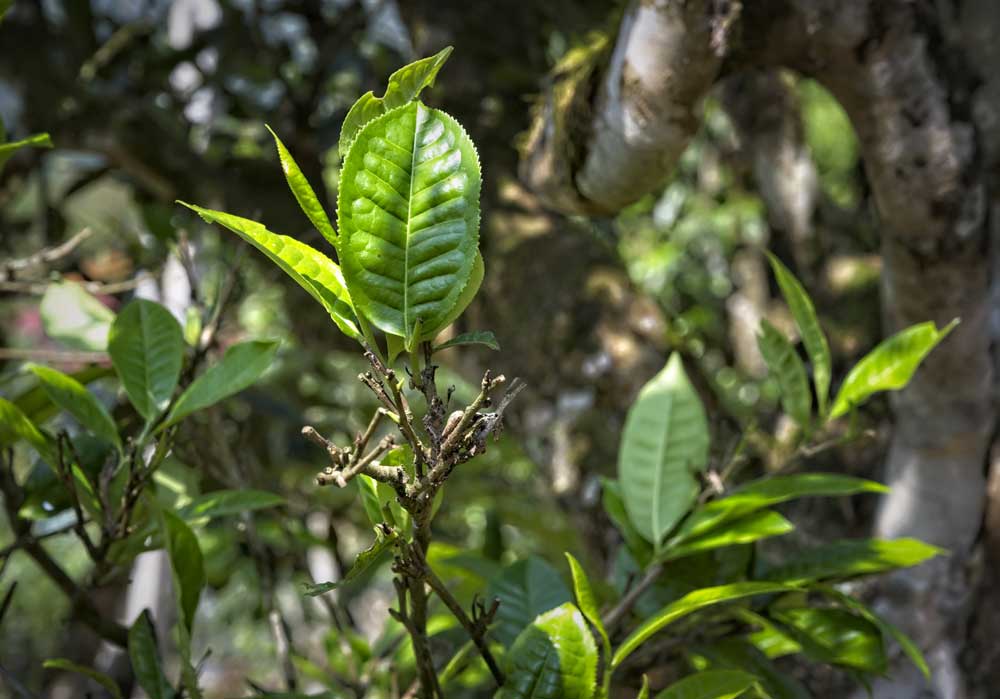
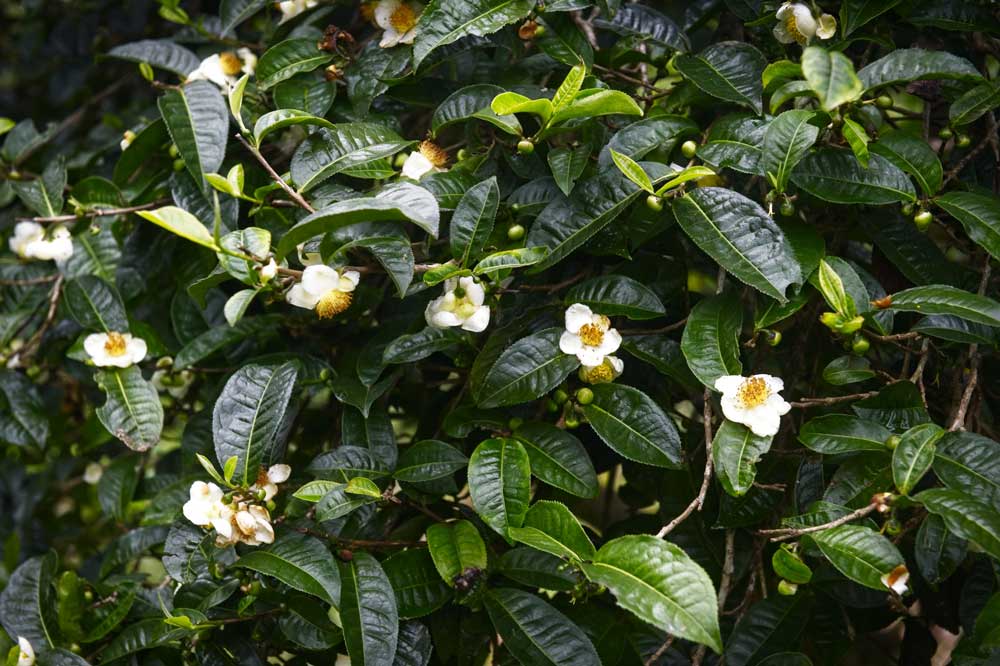
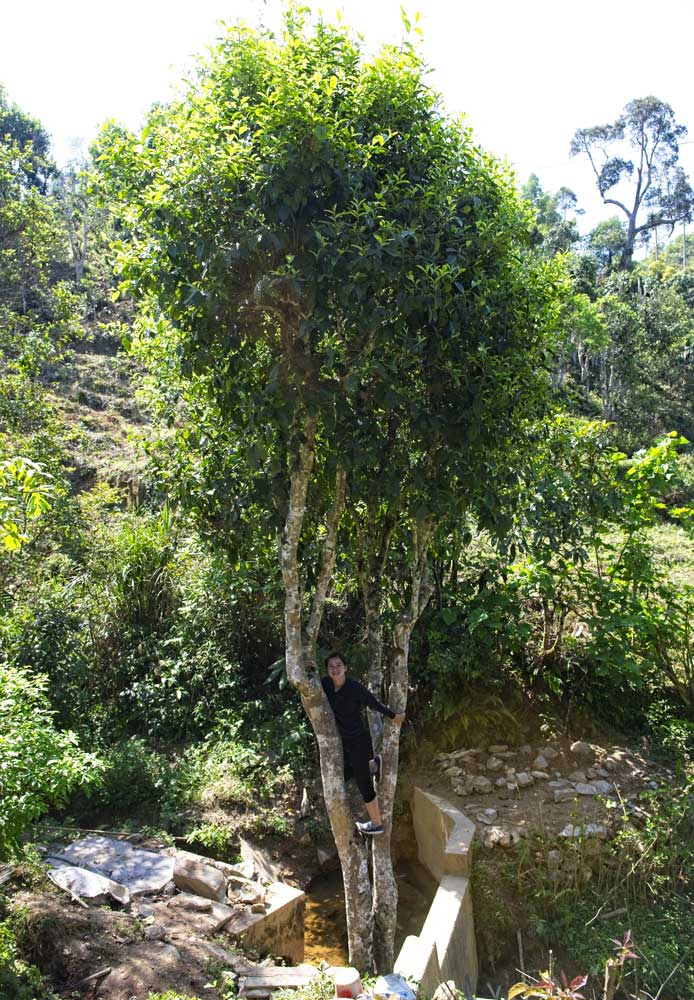
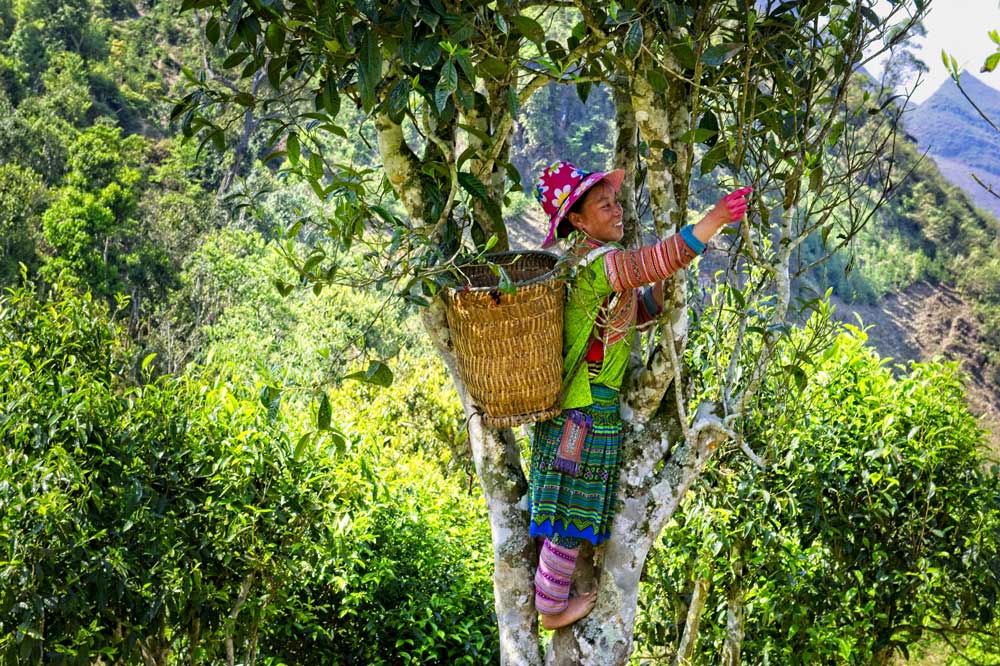
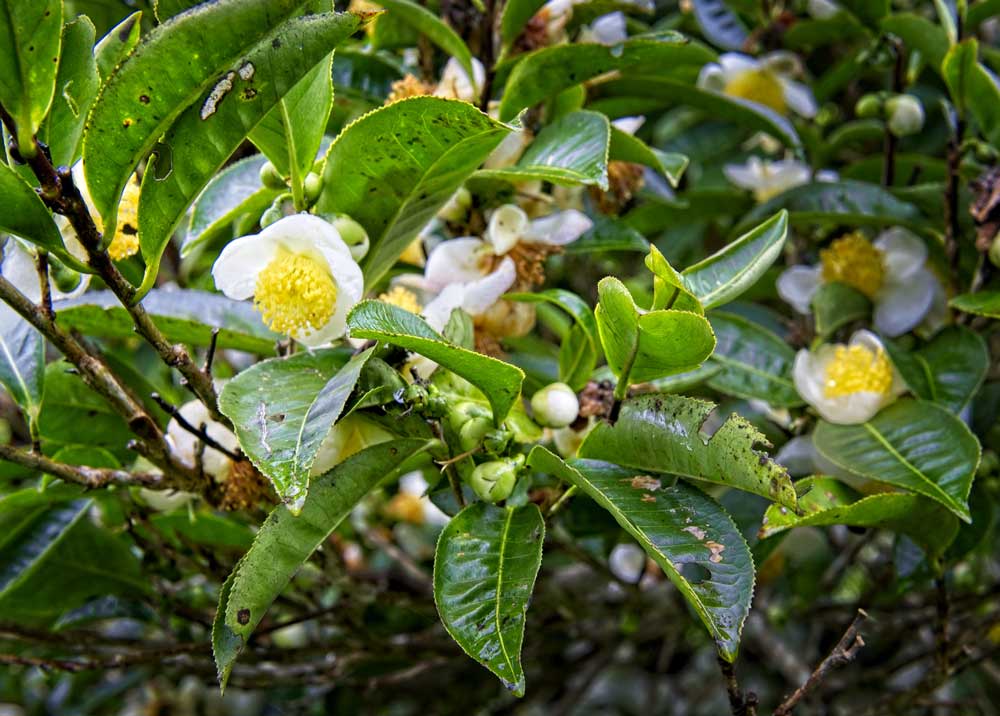
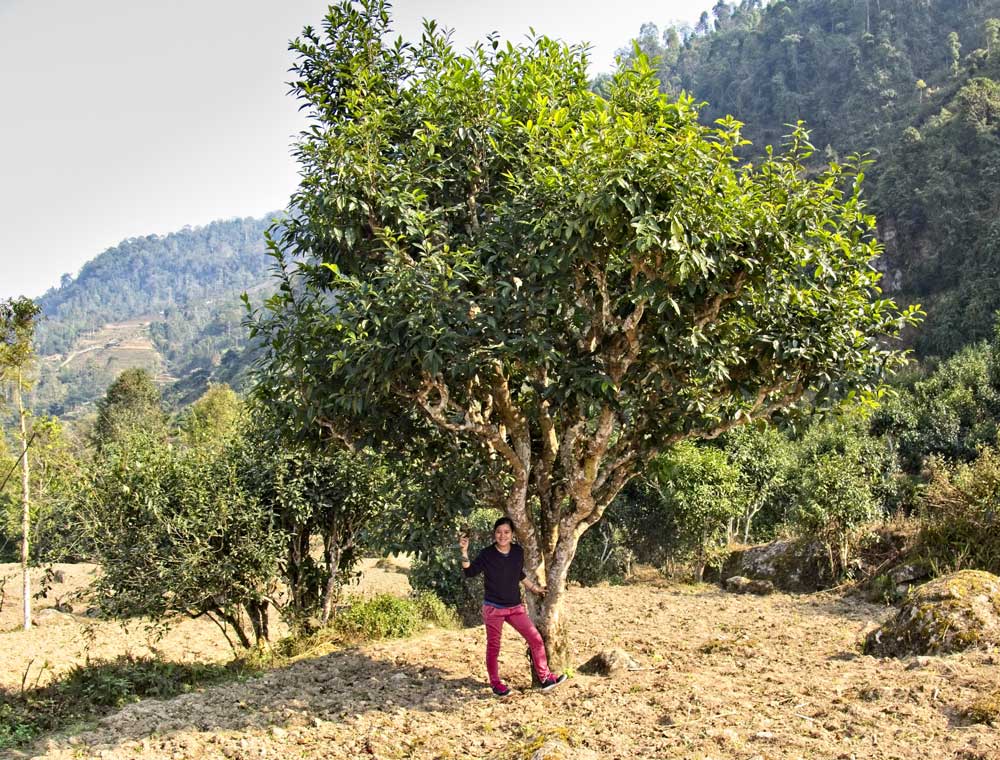
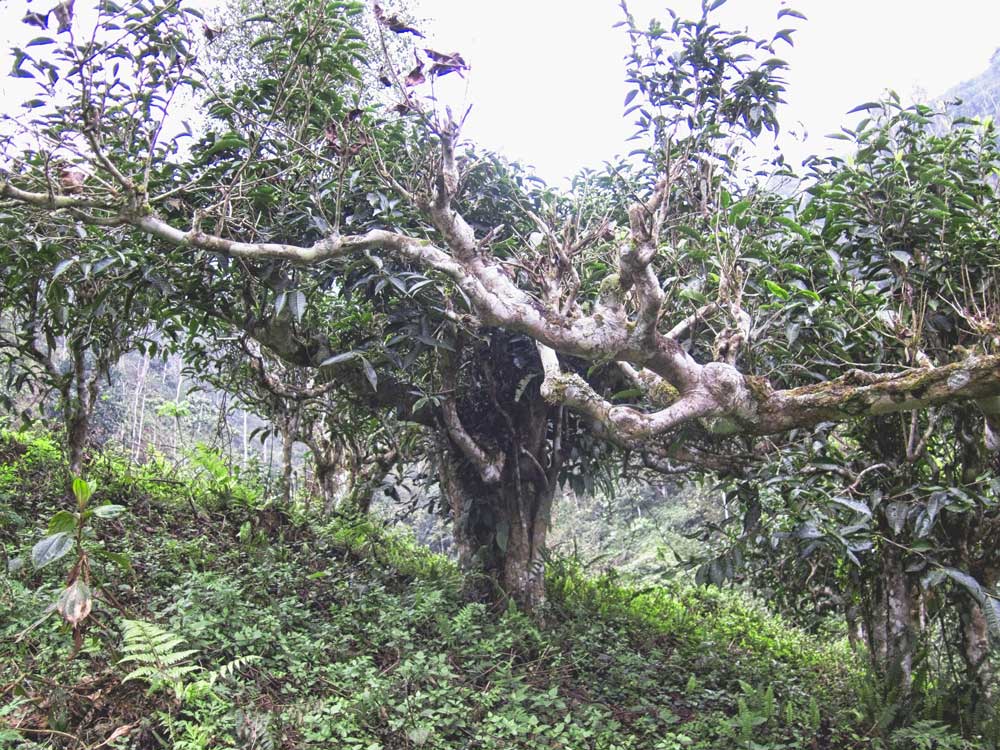
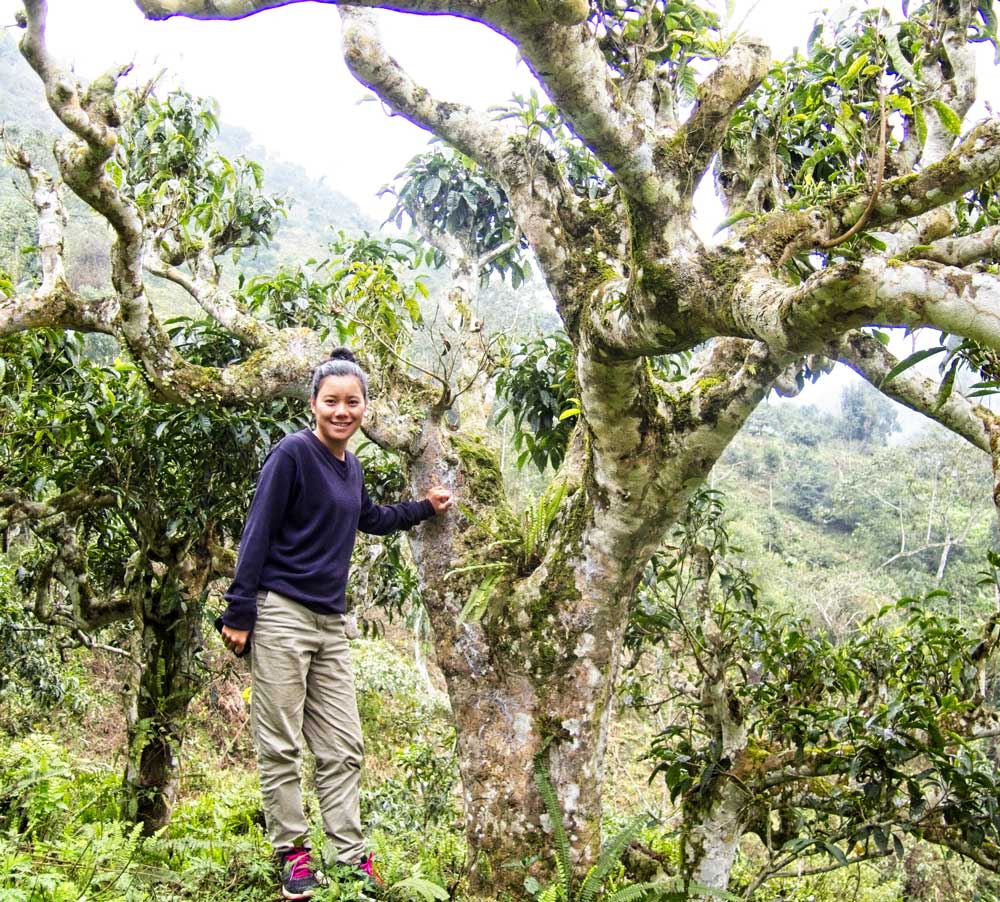
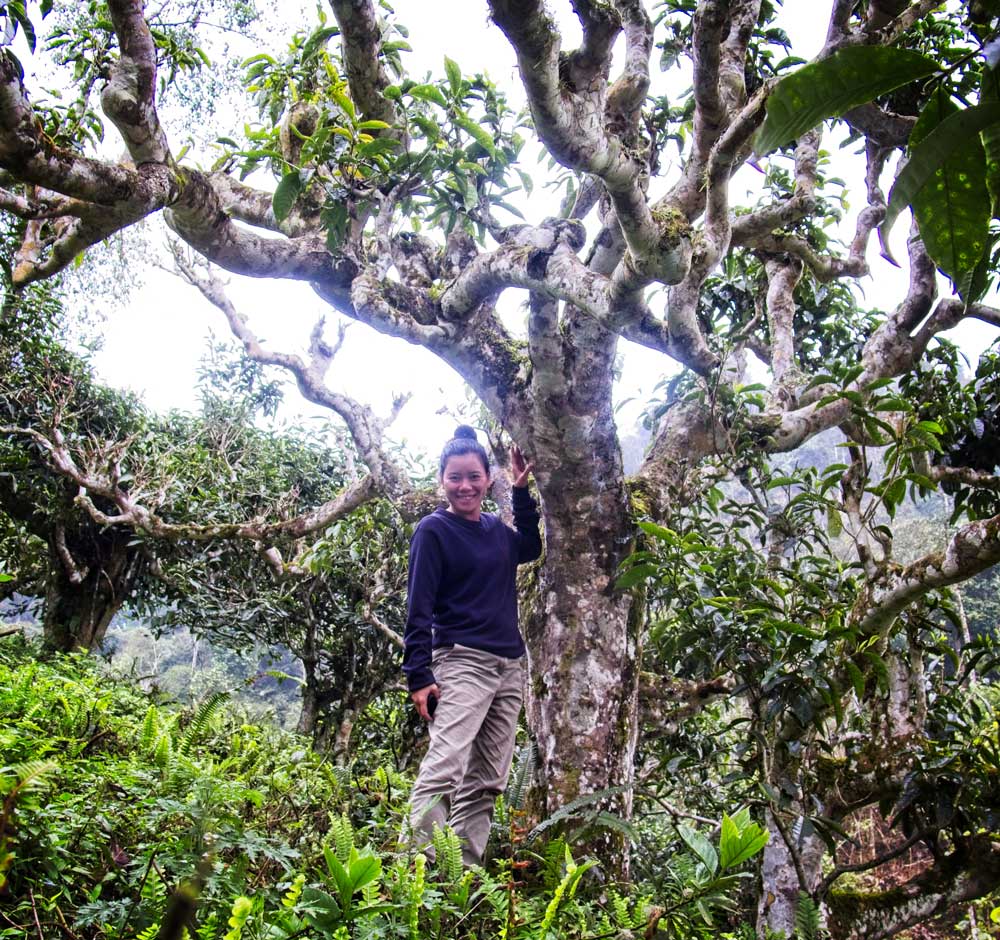
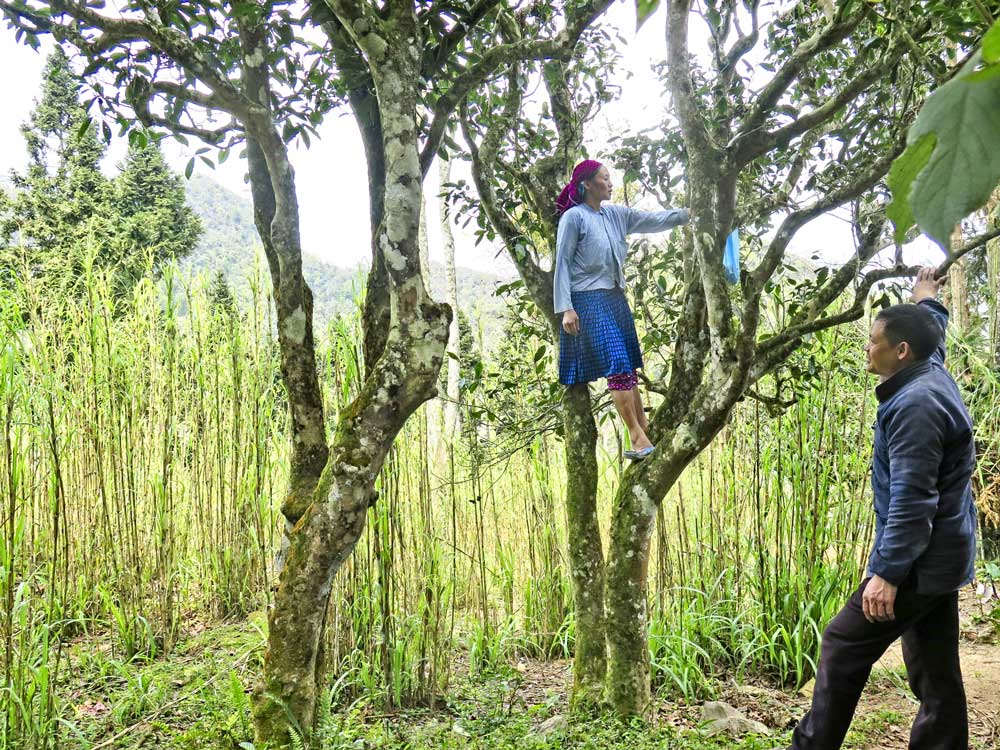
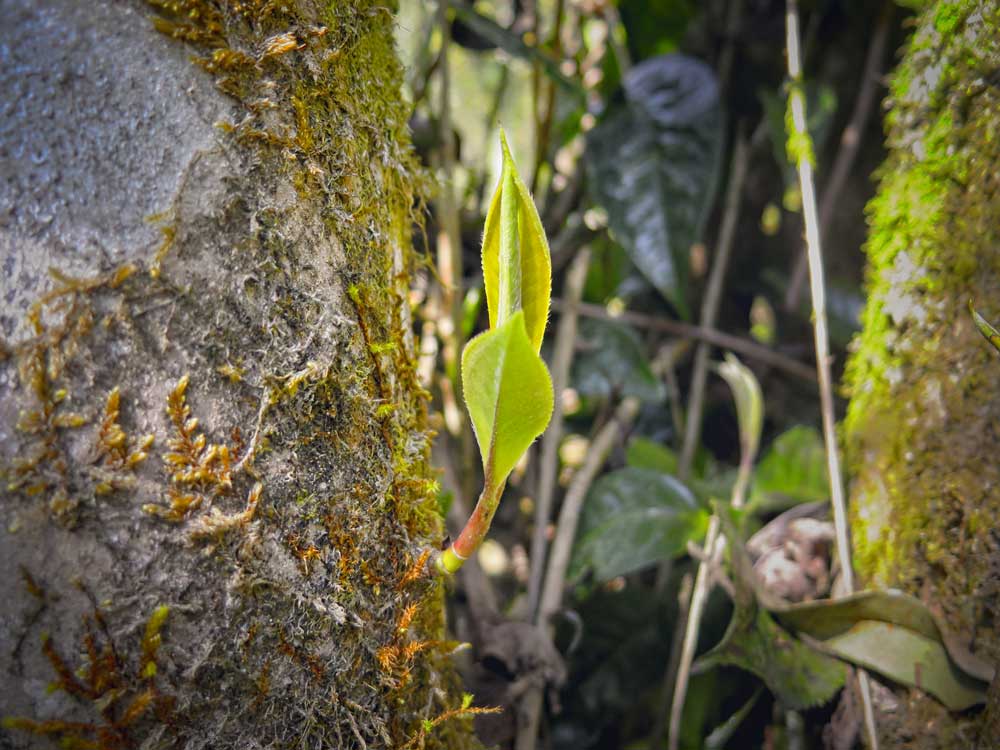
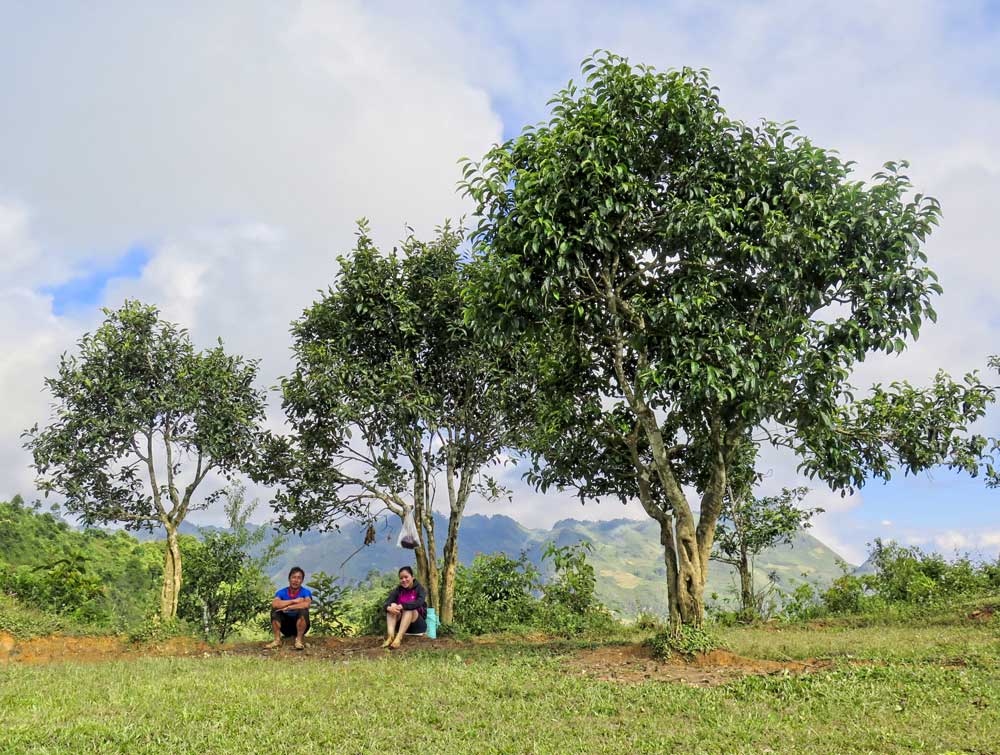
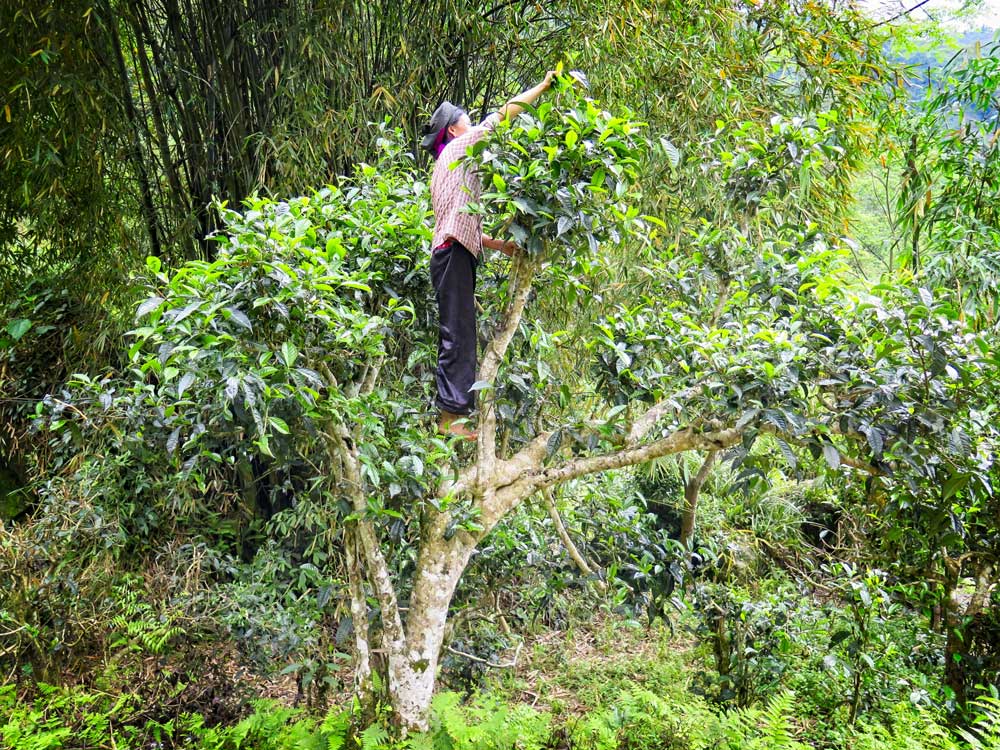
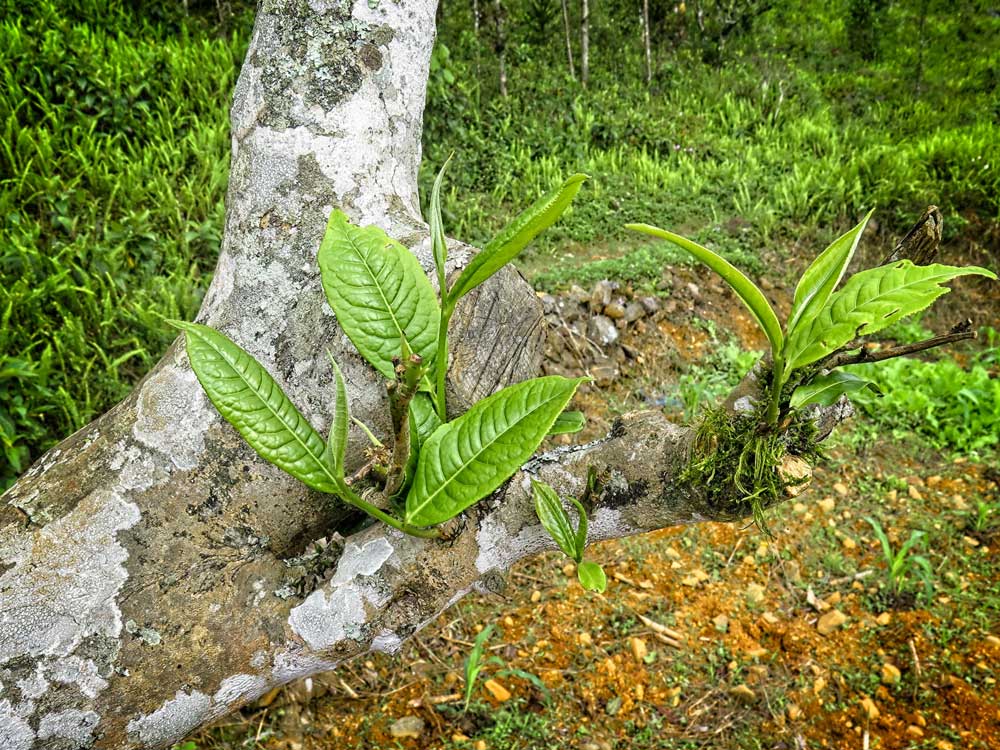
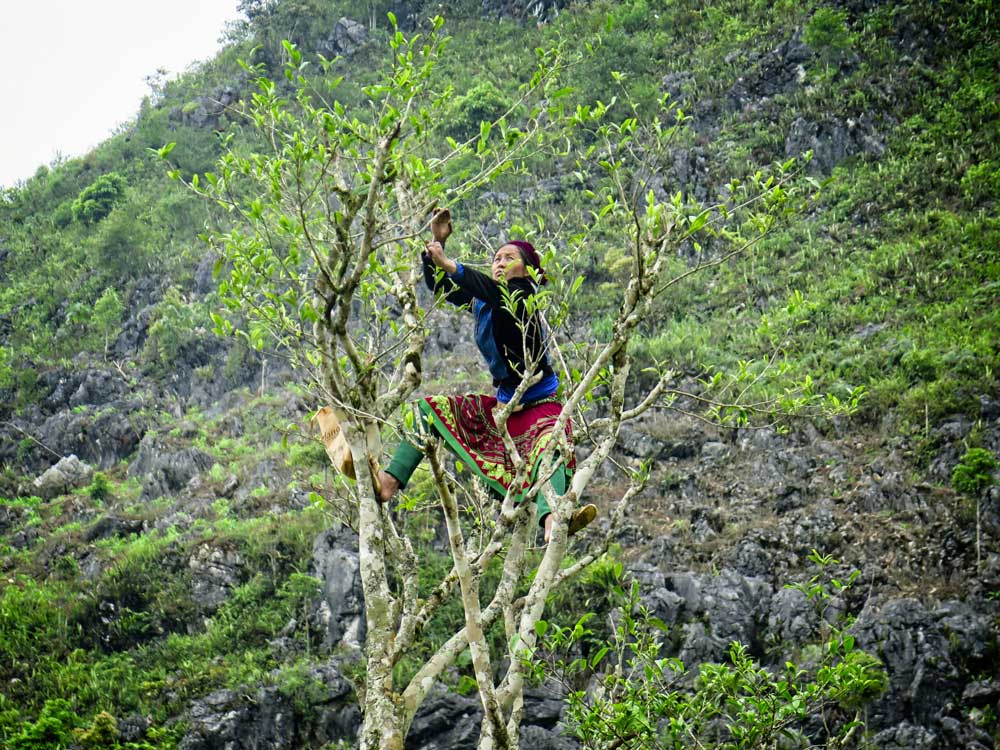
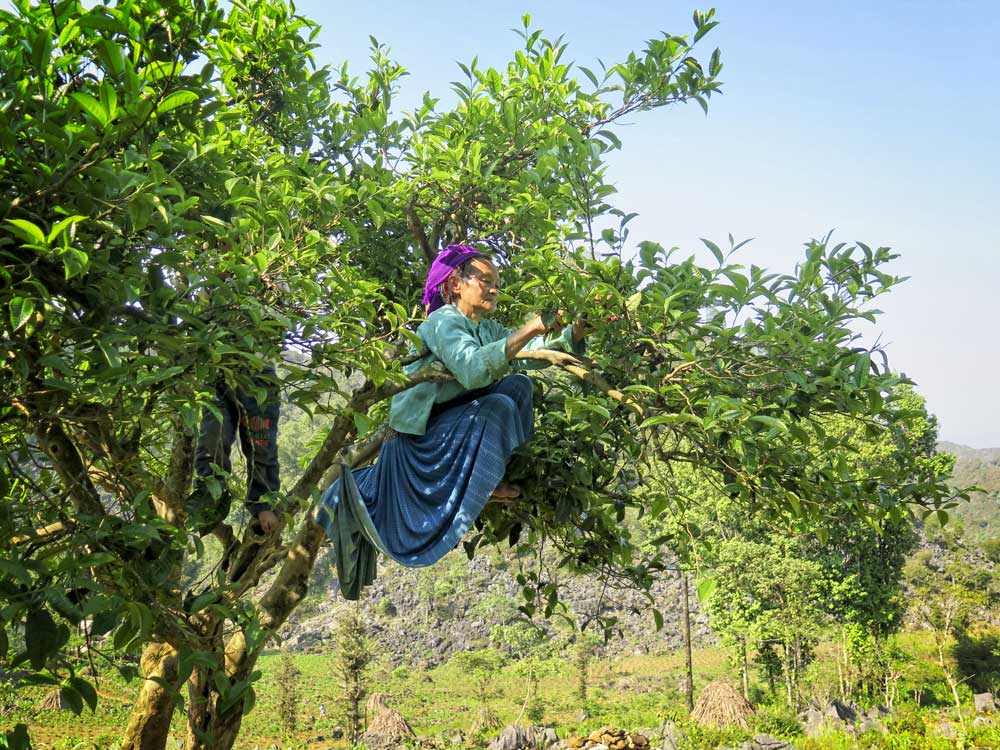
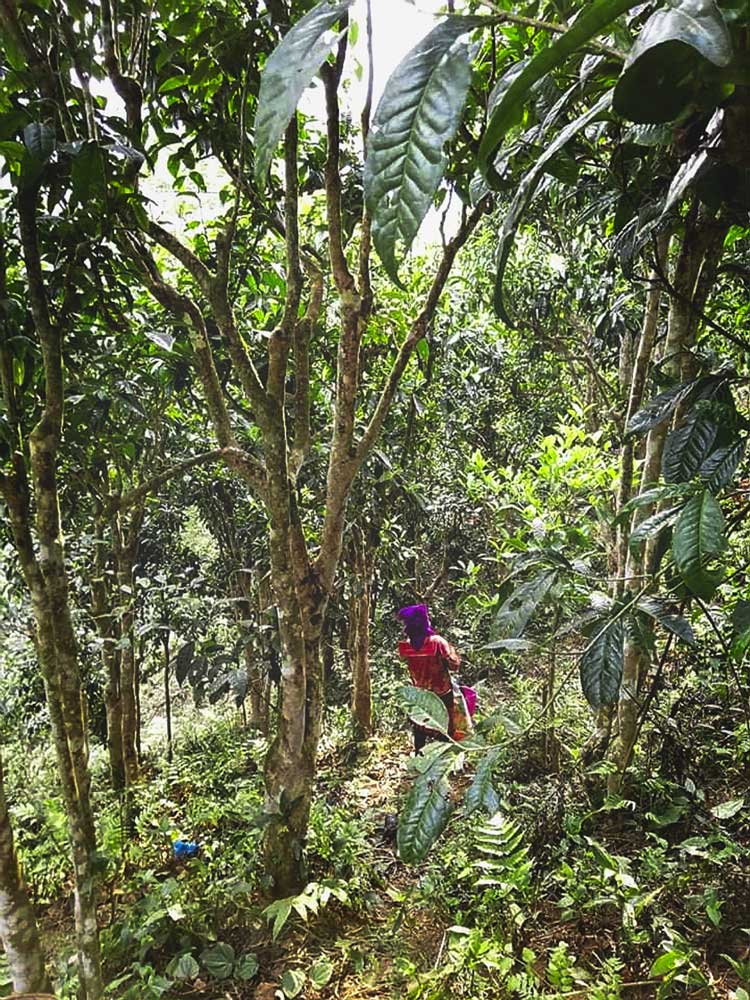
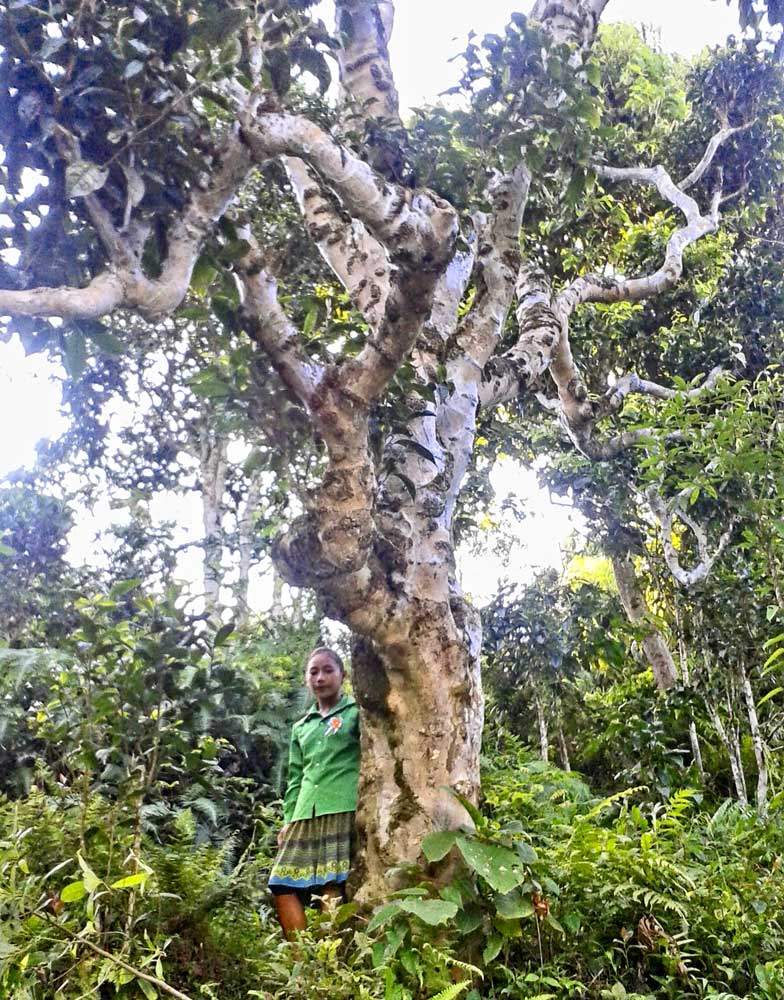
There is no strict definition as to what constitutes wild tea. From a botanical perspective no tea trees are likely to be truly wild as their distribution is tied to human migration over many hundreds of years.
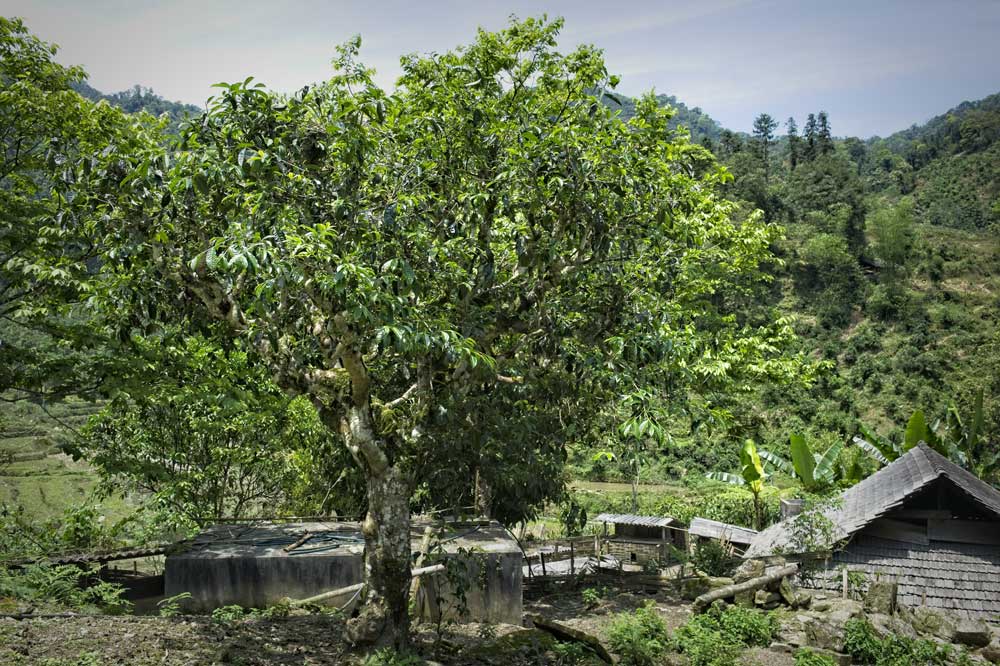
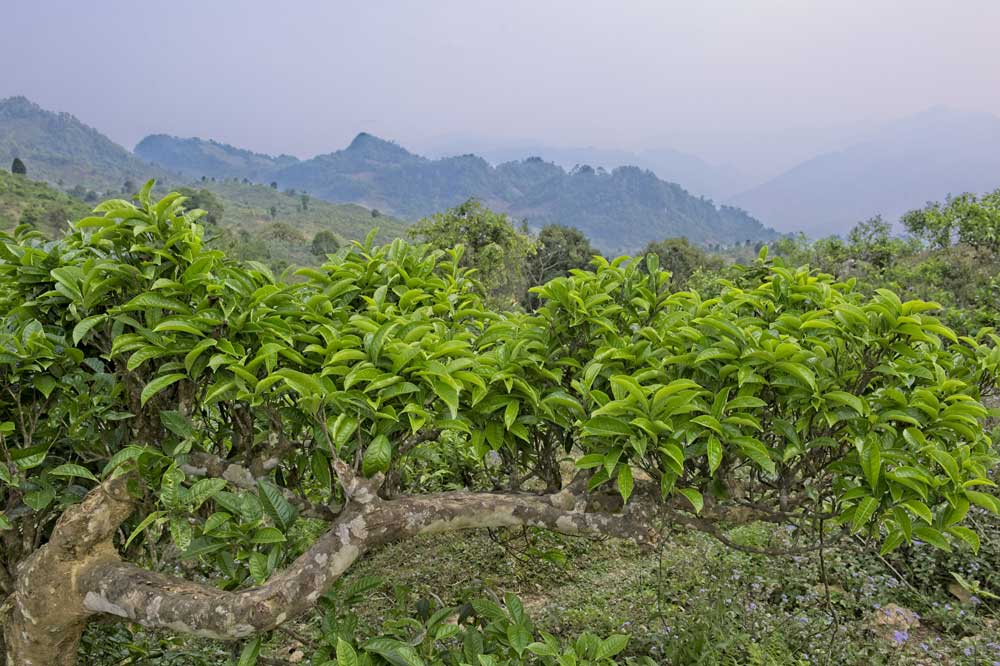
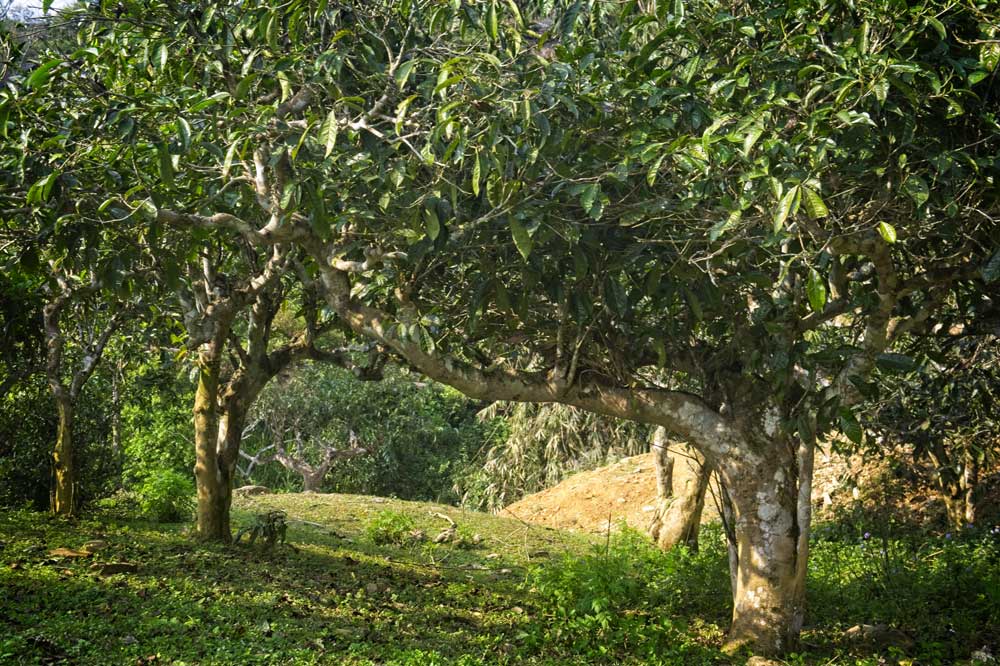
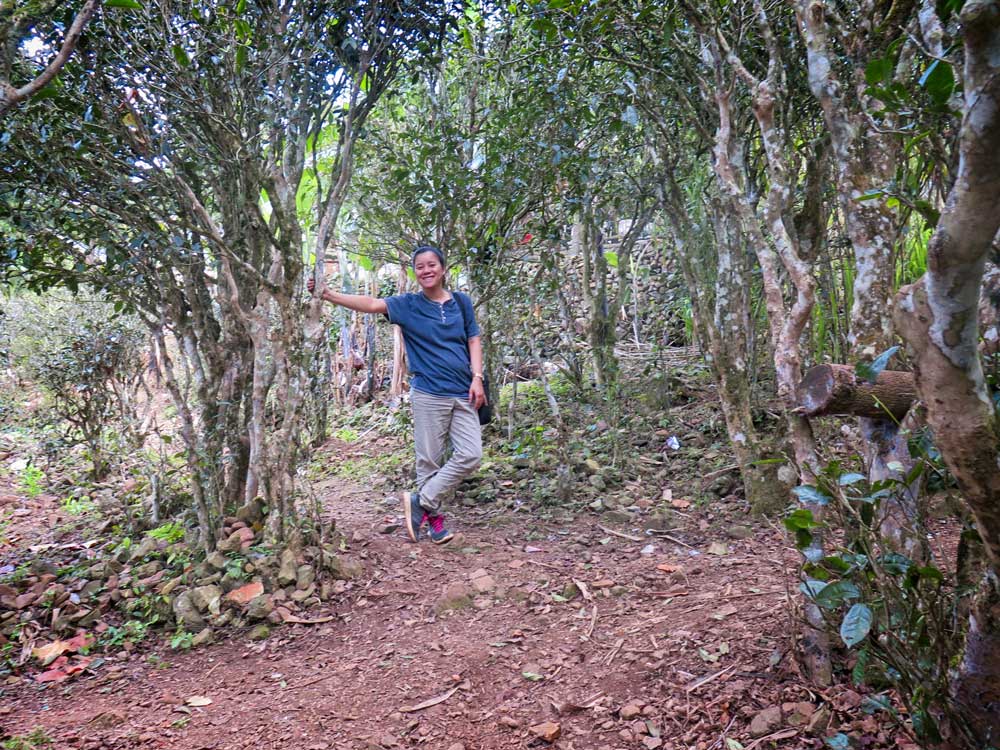
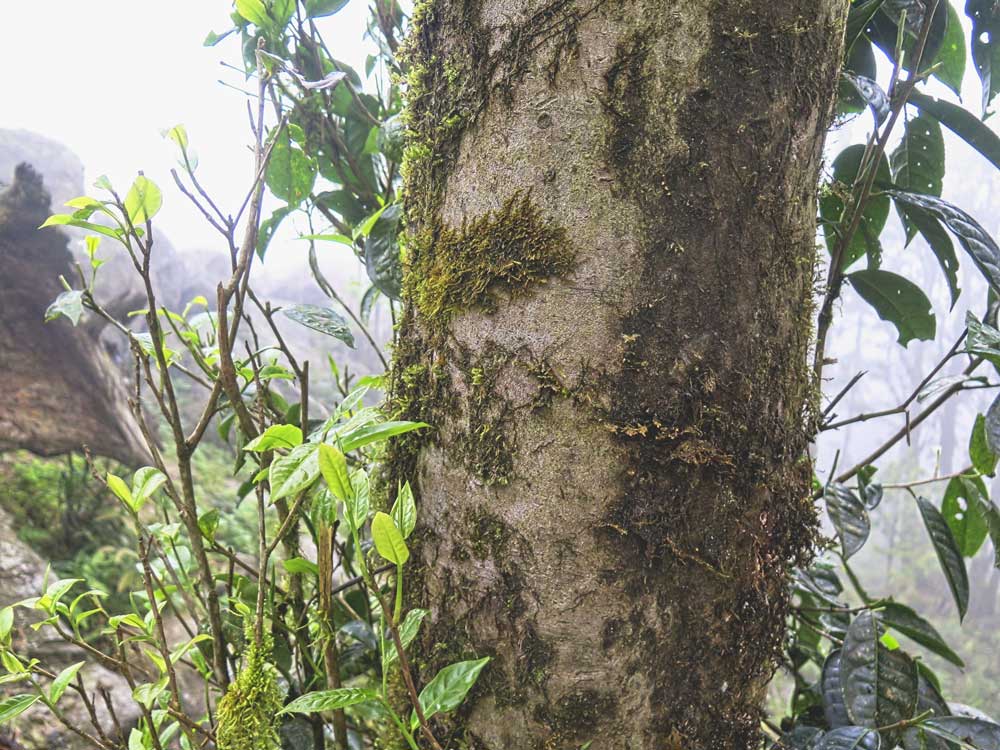
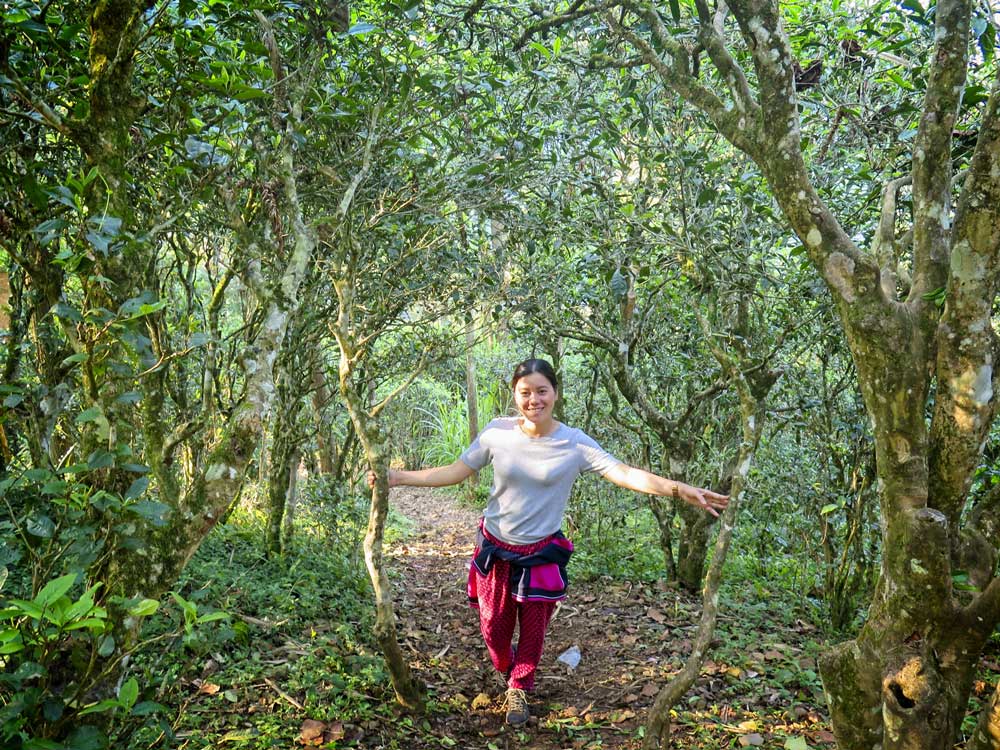
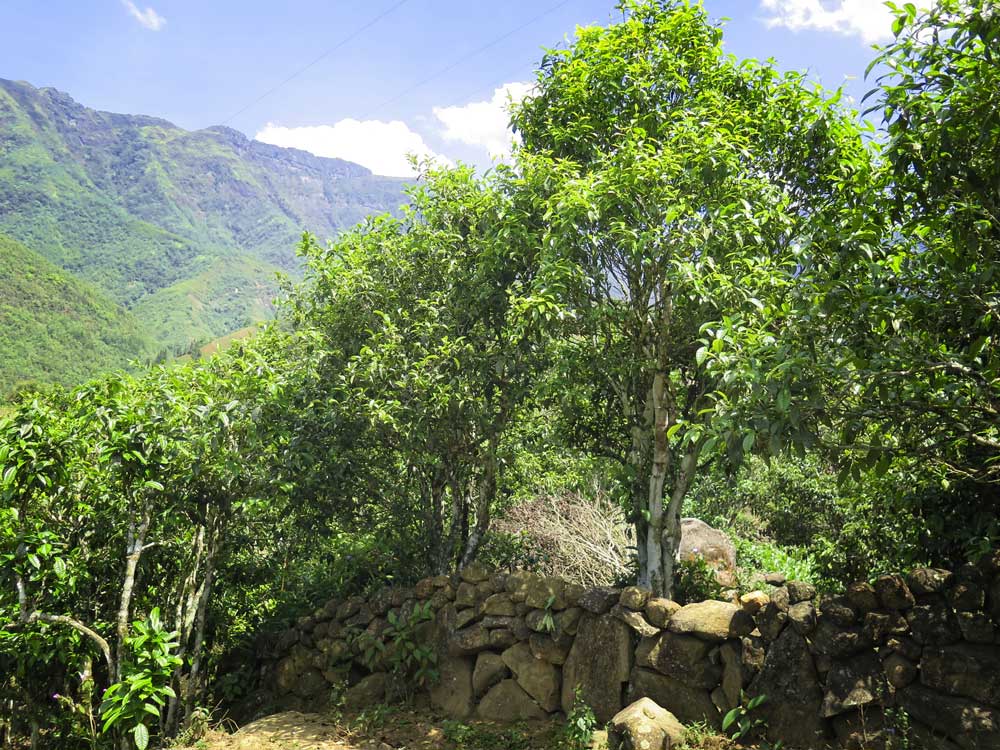
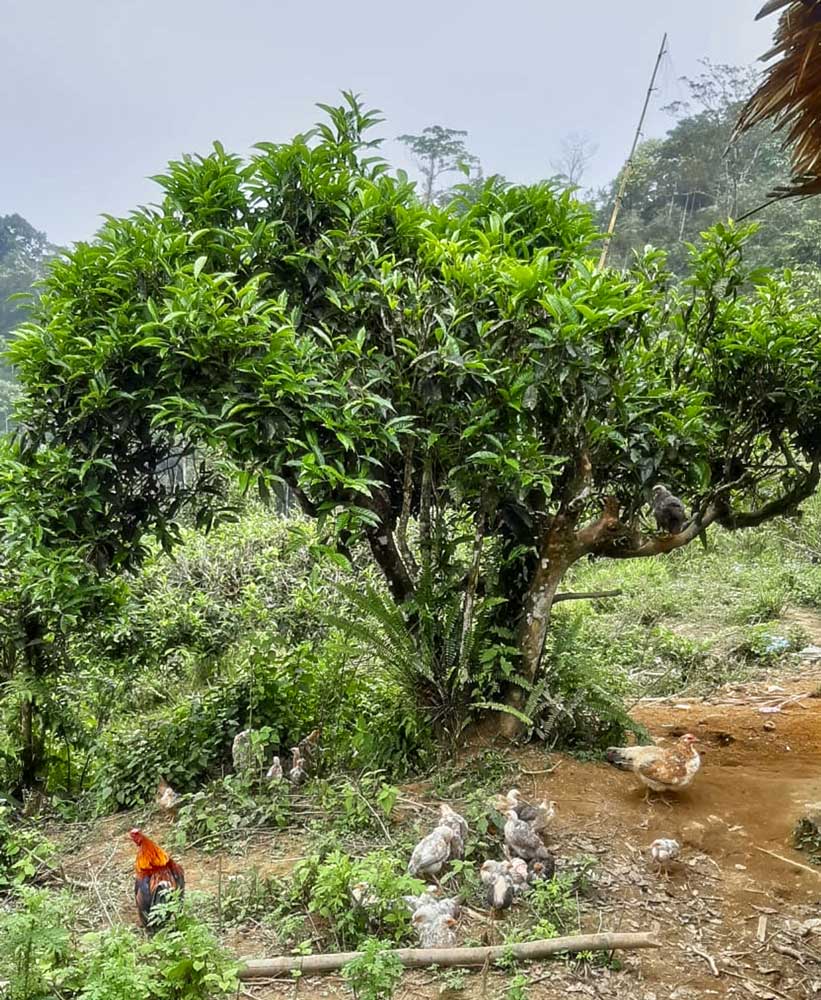
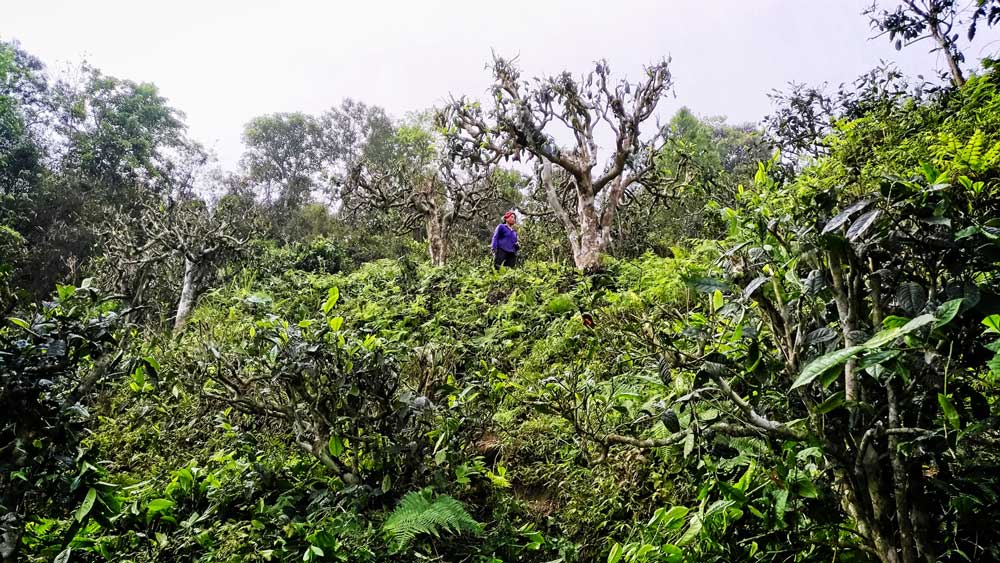
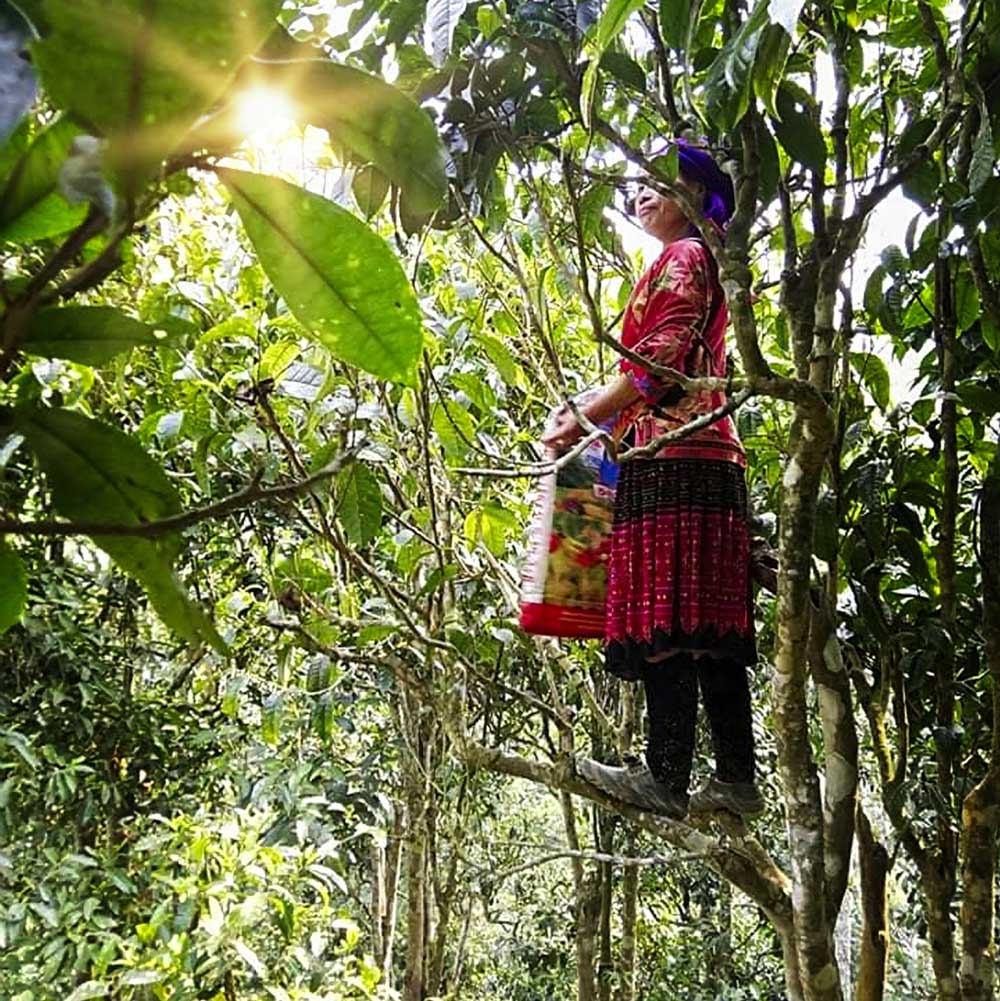
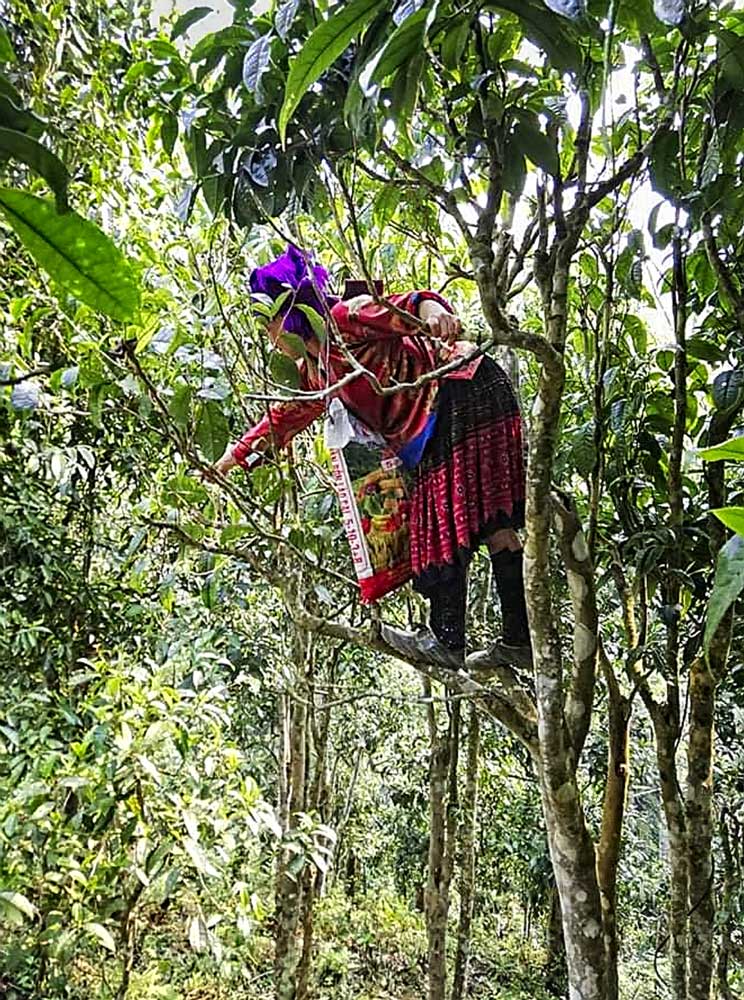
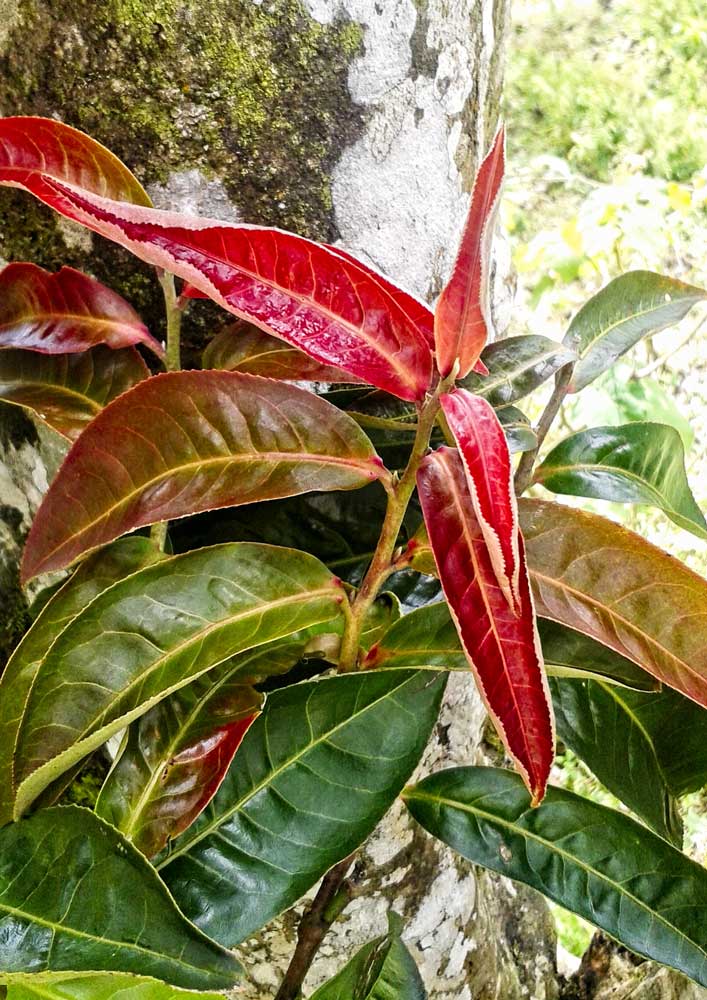
For us, wild tea is produced from the leaves of trees that grow without human intervention (except harvesting) in low density, mixed biodiverse environments. Tea trees may be found in small clusters, but the concept of a tea garden doesn’t really exist in Vietnam, except for more recent planting.
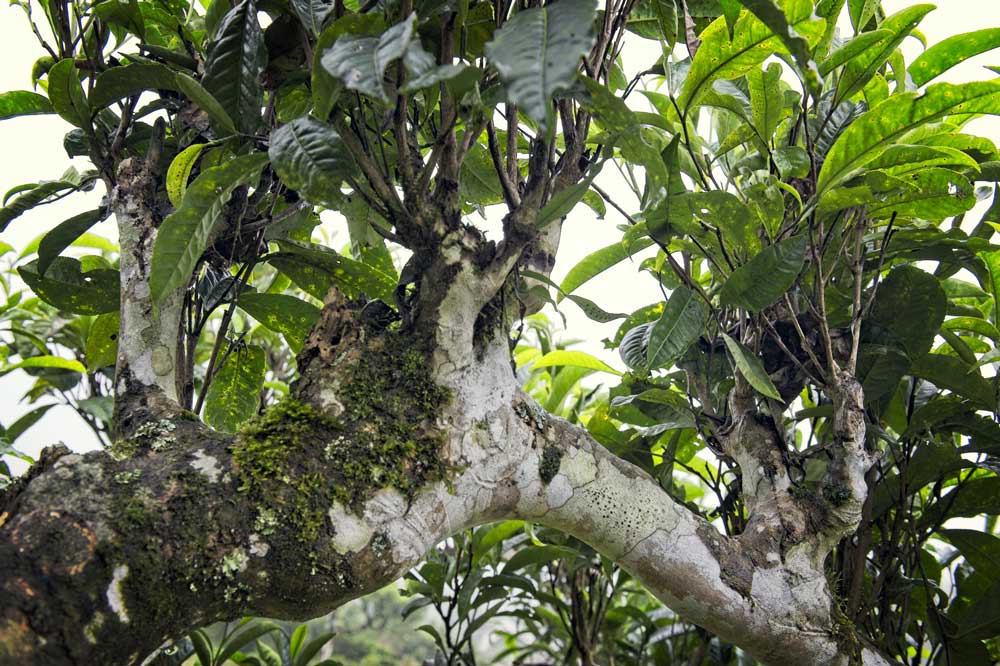
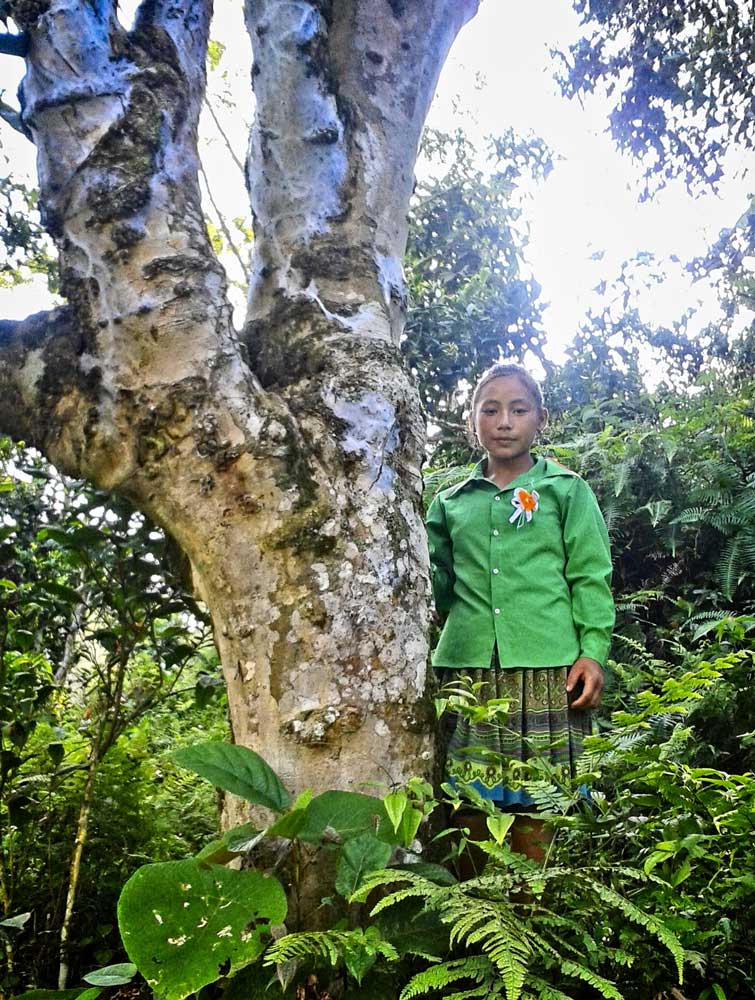
Wild tea trees come in all shapes and sizes due to environment, how they have been traditionally harvested and the fact that trees grown from seed are highly heterogenous (diverse). Estimating age from appearance is very difficult. Beware the exaggerated claims of tea tree age.
The equivalent term to the Chinese gushu (ancient tree) in Vietnamese is cổ thụ. You will also see wild tea described as ‘Shan Tuyết’ but this term is also used by some to describe monoculture tea produced from shan cultivars.
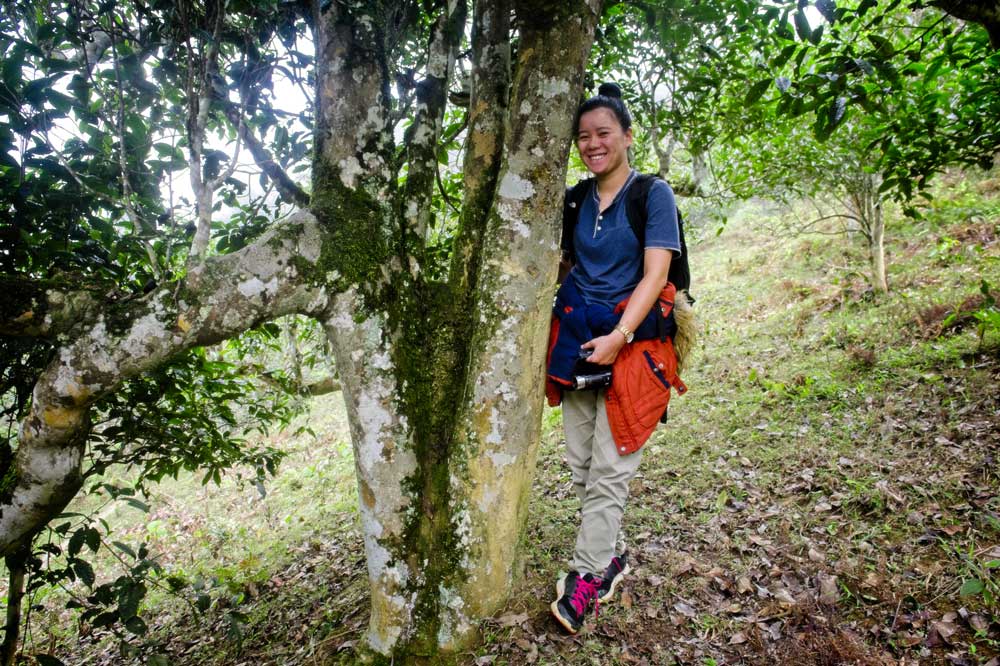
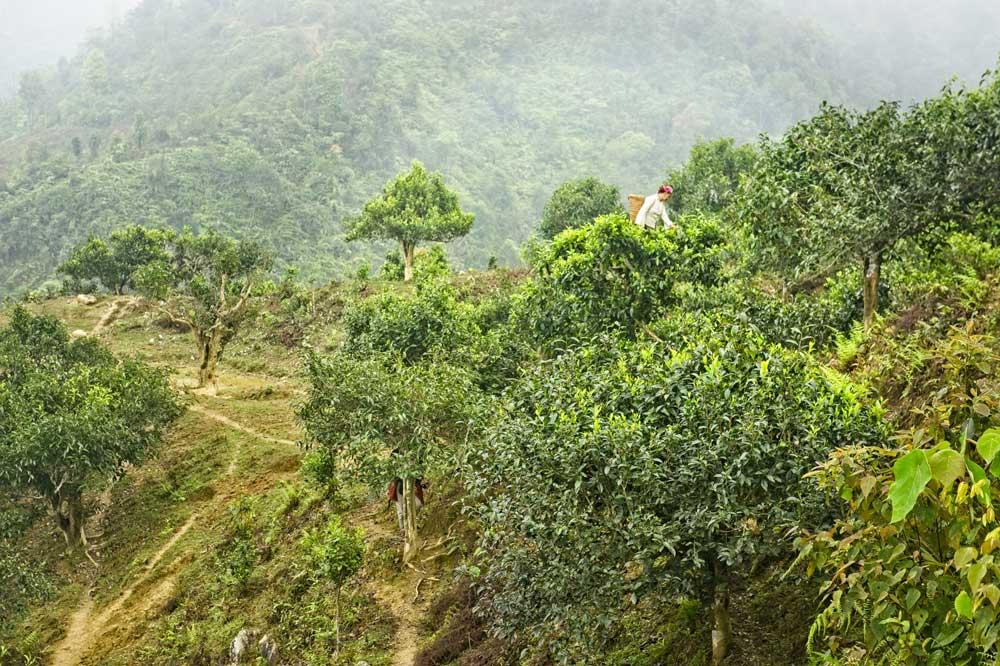
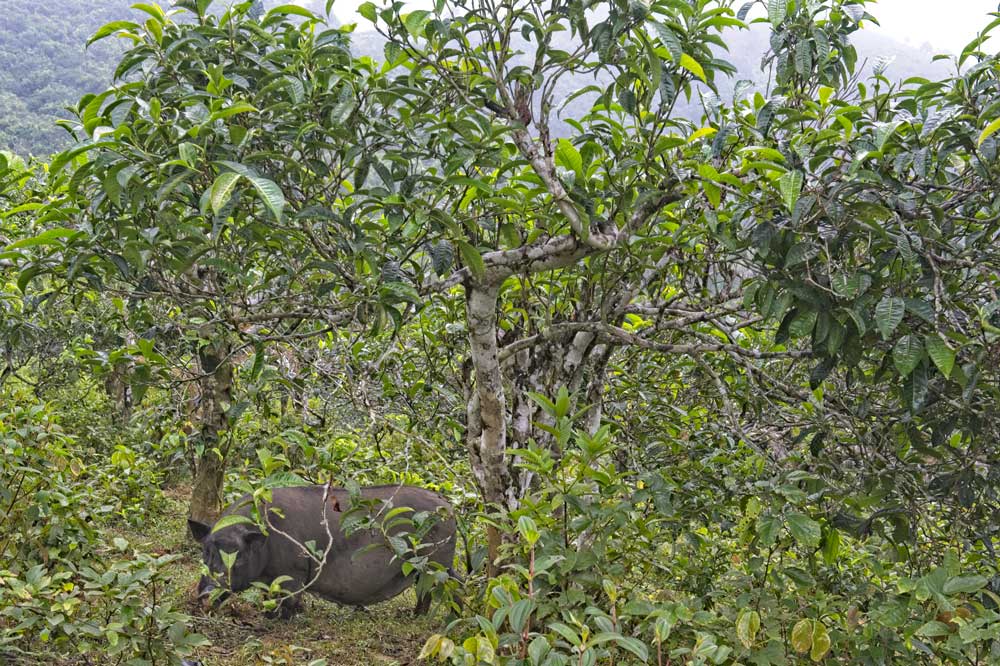
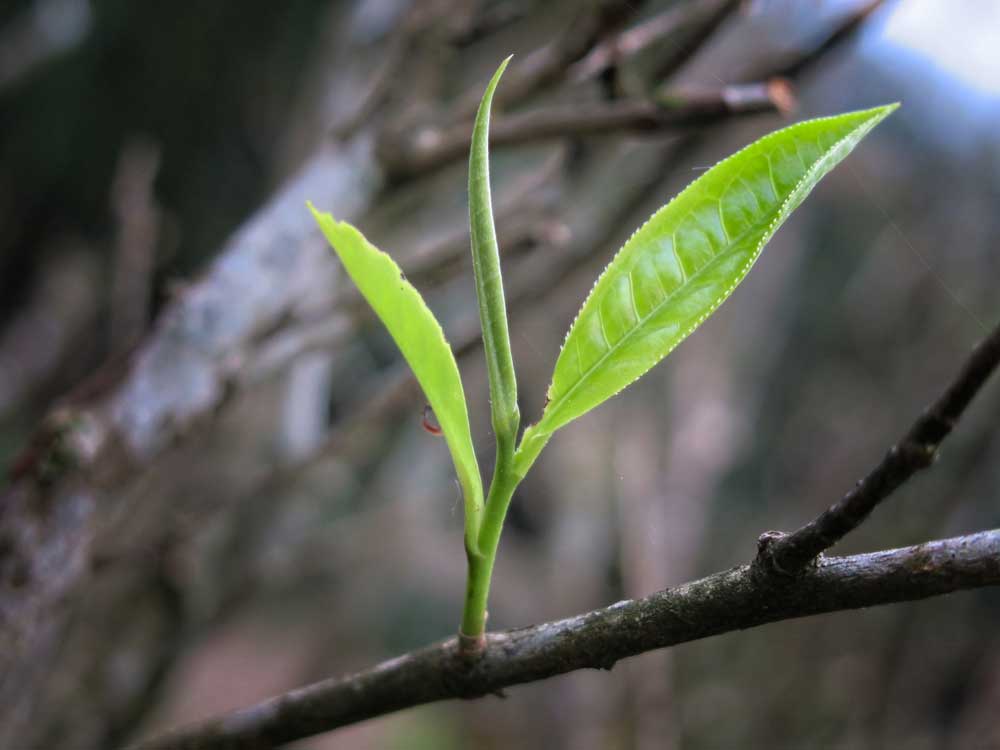
The photos in this gallery are all our own and were taken between 2012 and 2021 during sourcing trips to the following locations in northern Vietnam:
Tua Chua District, Dien Bien
Bac Ha, Muong Khuong & Y Ty Districts, Lao Cai
Hoang Su Phi, Vi Xuyen & Dong Van Districts, Ha Giang




















 Vietnam Tea Blog